Sub-nanometer tool optimization
We resolve critical thermal drift, micro-vibration, and vacuum boundary layer bottlenecks in lithography and deposition systems using first-principles physical analysis.
Precision engineering capabilities
Thermal Drift Mitigation
Vacuum Chamber Dynamics
Optomechanical Stability
We calculate thermal expansion and structural drift to the sub-angstrom level, designing active cooling geometries that stabilize optics under high-power EUV loads.
First-principles modeling of gas-flow boundary layers and molecular transport to eliminate particle contamination and optimize pressure recovery cycles.
Structural dampening and kinematic mount designs engineered to isolate sub-nanometer wafer stages from high-frequency floor vibrations and stage acceleration.
Thermal bottleneck resolved
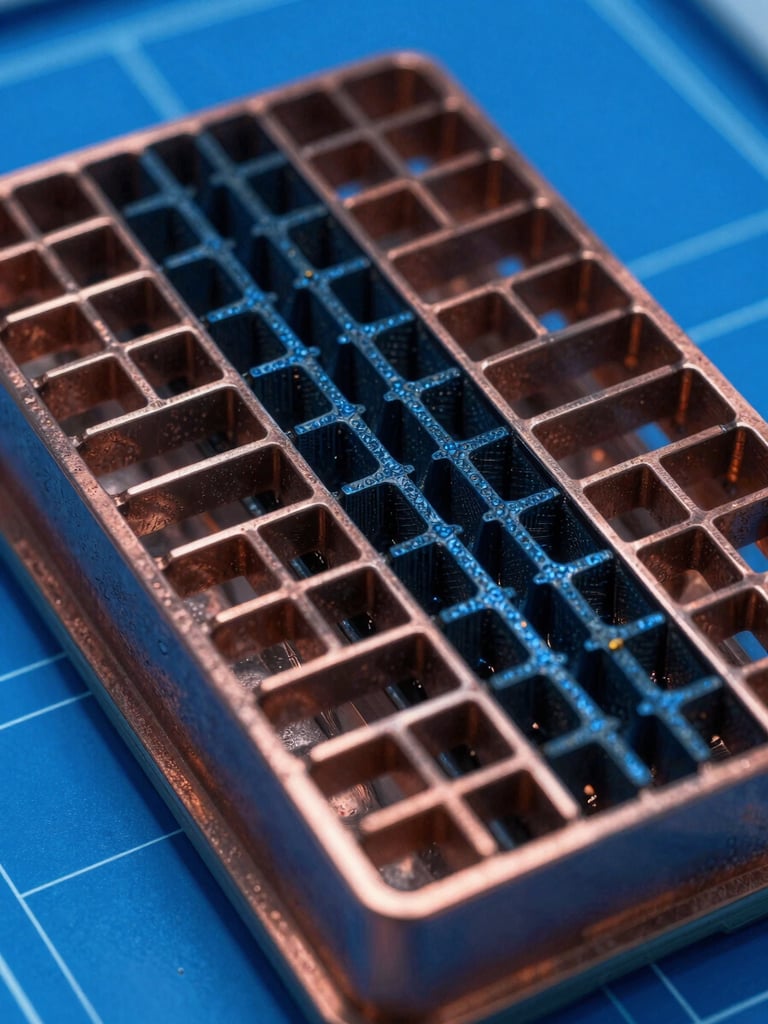
A Tier-1 deposition OEM faced severe wafer distortion from transient heat loads. Our transient thermal analysis identified a localized boundary layer anomaly in the cooling channel.
By redesigning the internal micro-channel geometry, we reduced peak thermal drift by 84%, restoring target yield without altering the chamber envelope.
84%
Reduction in thermal drift
Resolve your yield bottleneck
Consult directly with former principal OEM tool designers under strict NDA. We analyze your physical hardware constraints to deliver guaranteed sub-angstrom stability.
Aryllium Technology
Transform Quality Problems Into Engineering Solutions
CENTERS OF EXCELLENCE
Singapore - Texas - California
eMail: solutions@aryllium.com
© 2026 Aryllium Technology
SUB-ANGSTROM PRECISION